Posts

Showing posts with the label single use plastic

Microplastics in Human Blood
Image
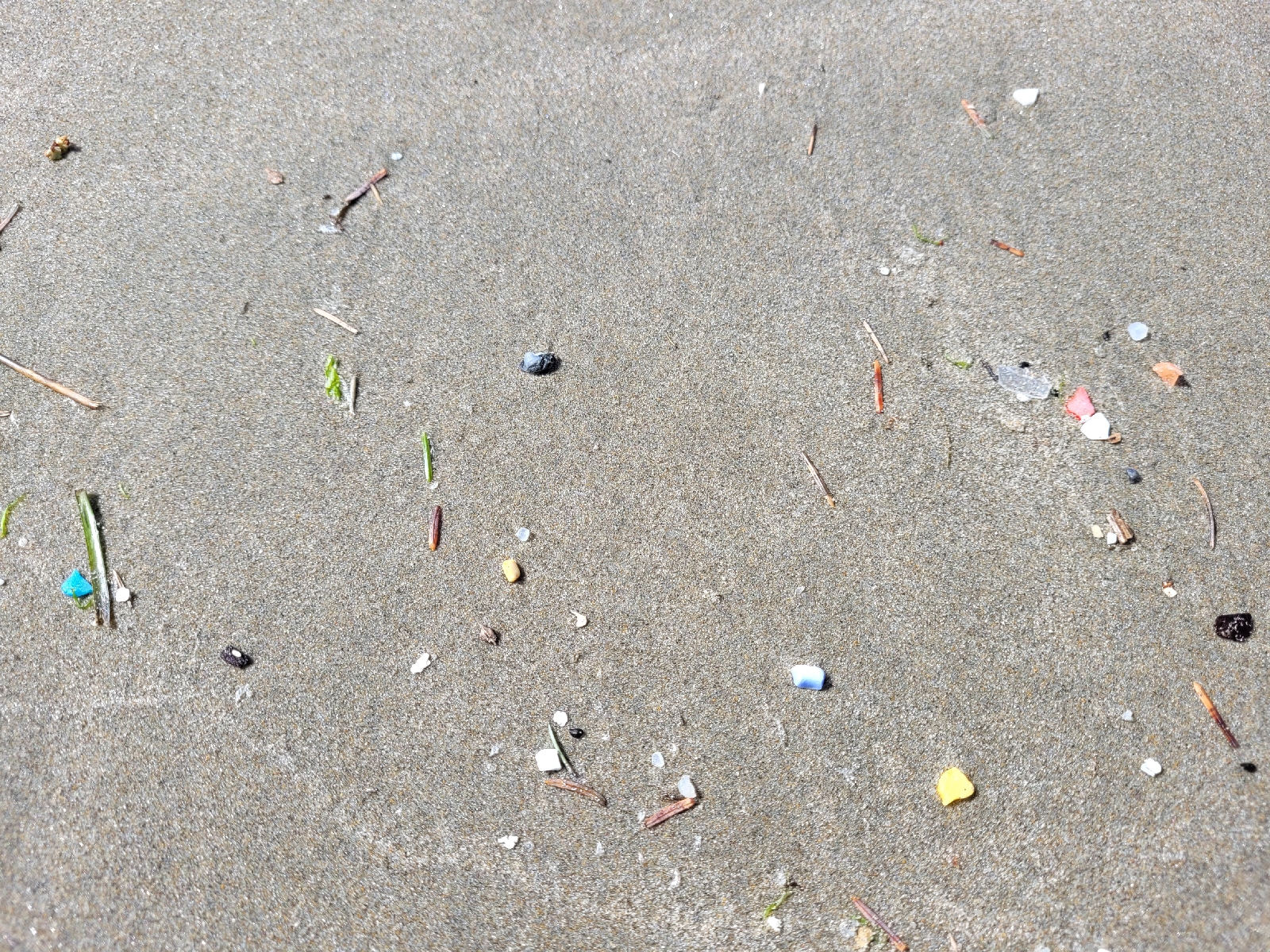
Microplastics in Human Blood The Smithsonian Magazine recently reported about a study that discovered microplastics in human blood. Healthy adult volunteers donated blood samples were obtained. And of all the blood samples, seventy percent had microplastics. Research There were two types of microplastics that made up over eighty percent of the total sample. The most prevalent microplastic found in more than half of the samples was PET (polyethylene terephthalate). Polystyrene ( PS ) was the second most common type. PET – disposable water bottles PS – food packaging   According to the research , exposure may have occurred by the following means: Air Water Food Toothpaste Lip gloss Dental polymers Implants Tattoo ink residue Risks The health risk of having microplastics in our blood is unknown currently. Researchers are working to better understand how microplastics affect the human body.  Actions The two most common plastics found ...
SINGLE-USE PLASTIC HARMS THE ENVIRONMENT

Image
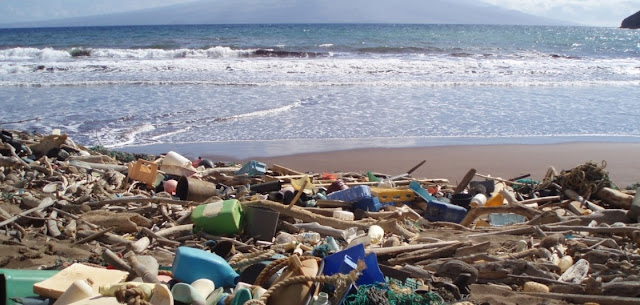
Single-Use Plastic Harms the Environment Marine Debris - Photo Credit: National Park Service Plastic bags, straws, toothbrushes, food wrappers, take-out containers are single-use plastic items that end-up getting thrown out. All plastics are made of non-renewable resources that do not decompose making them harmful to the environment. Plastic items also pollute the ocean and cause harm to wildlife. Plastic materials are made from either crude oil or natural gas both are non-renewable resources. Because plastic items do not decompose in nature, they pile up an pollute. Did you know there are over 8 million metric tons of plastic in the ocean? And did you know that each year over 27 million tons of plastic is dumped in the landfills? Plastic pollution can harm wildlife directly and by destroying their habitat. Mistaking it for food, wildlife can ingest plastic debris. In the oceans, plastic pollution can entangle and kill marine life . Plastic pollution also damages the habitat o...

The Top Five Ways to Help Our Oceans

Image
The Top Five Ways to Help Our Oceans Ocean pollution harms marine wildlife, threatens food safety, and contributes to climate change. Ocean pollution reduces habitat and species populations. Pollution threatens food safety by contaminating seafood with heavy metals, which are harmful to humans. Ocean pollution contributes to climate change by changing the acidity and the temperature. By following these five steps, you will help reduce ocean pollution and increase ocean health. #1 DO NOT POLLUTE Our oceans are full of billions of pounds of pollution. In fact, billions of pounds of pollution enter the ocean every year. [1] The pollution comes from many sources including street trash, beach litter, and household waste. Other forms of ocean pollution include animal waste, vehicle fluids, and agricultural run-off. Credit: NOAA #2 STOP USING SINGLE-USE PLASTIC Plastics are responsible for 8 million tons [2] of ocean pollution per year. Sadly, wildlife gets tangled or ingests plasti...