Posts

How to Grow Edible Asparagus in a Raised Bed
Image
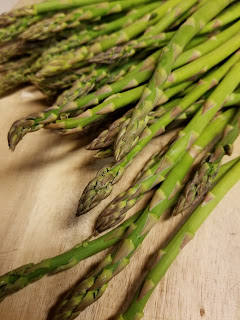
Asparagus is rich in vitamins A, B2, and C and contains iron, calcium, and potassium (Ingram, 2002). Asparagus is a perennial vegetable suitable for all zones. Asparagus requires a lot of water and full sun. Plants reach full production in 2 - 3 years and continue producing for 10 - 15 years. PLANTING WHEN: Early Spring (cold climates); Fall and Winter (warm climates) WHERE: Sunny location; 8" below ground level; 12" apart HOW: Fill raised bed with loose, rich soil to 8" below the top of the bed Form 2 rows of mounds spaced 12" apart  Drape roots evenly over mount C over with 2" of soil Soak with water (During the 1st season Only)- Fill the bed as the shoots appear until you reach the top of the bed NOTE: Do not cover growing tip! GROWING Cultivate, feed and water heavily. BLANCHING White asparagus form in the absence of sunlight. To achieve this, in spring, mount 8" of soil over the row of a...
Forests Forever

Image
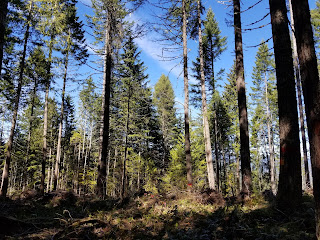
We use forest products every day. Its estimate the average American uses six trees worth of paper per year. [1] Forests provide us with building materials, fuel, and paper products. Our forests also provide ecosystem services in the way of filtering the air we breathe, facilitating water exchange between soil and air, and provide habitat. Because of our high reliance on forest products, there is a high demand for them. Worldwide it is estimated that an area the size of a football field is cleared every 3-seconds. [2] The reality is we will not stop using forest products. So, what we can do is reduce our impact on timber extraction. There are steps we can take as consumers to reduce the impact on our forests. 1. Recycle paper products 2. Make 2-sided copies 3. Reuse old office paper as scrap paper 4. Use email instead of print mail 5. Store information as digital copies instead of printing copies 6. Purchase forest products (timber and paper) with...

Microbeads, Microfibers, Microplastics, Oh My!

Image
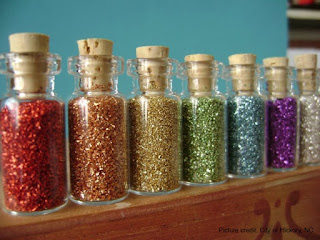
Have you heard? Glitter is not only a difficult to clean-up, it is bad for the environment. (Don’t worry – there is an eco-friendly alternative – keep reading to find out.) Glitter is made of microplastics (tiny bits of plastic about the size of a sesame seed). Glitter is not the only source of microplastic, microbeads (found in cosmetics and toiletry products), pellets used to make larger pieces of plastic and microfibers (used for rope and fleece). 1 How? Microplastics end up in our waterways through a variety of methods. One way is washing microplastics (glitter and microbead face wash) and microfibers (washing fleece) down the drain. These small particles can easily pass through water filtration systems. The other is from the breakdown of larger plastics debris that have washed in the waterway. It is estimated that the accumulation of microplastics in the oceans range from 15 – 51 trillion 2 with approximately 8 trillion microbeads entering U.S. waters daily. 3 Additiona...

National Invasive Species Awareness Week February 26 - March 2

Image
February 26 through March 2 is National Invasive Species Awareness Week. Did you know? Invasive species come in all forms – animal, plant, and pathogen. The United States spends more than $120 Billion 1 in damages associated with invasive species. Invasive species harm the agricultural industry, damage healthy Eco-systems, and are a leading factor in freshwater fish extinctions. 2 GET INFORMED! Knowledge is the solution! If you don’t know what species are invasive in your area than stopping the spread of them is impossible! Learn about the invasive species found in your area from the National Invasive Species Information Center . STOP THE SPREAD! We spread invasive species without even knowing we’re doing so. Plant parts, seeds, and soil hitch a ride on our shoes, clothes, tire treads, and boats. Without our knowledge, we spread these invasive species along the trails, roadways, and waterways. Always, clean hiking boots, camping gear, off-road vehicle, boats, and...

Planning Your Garden

Image
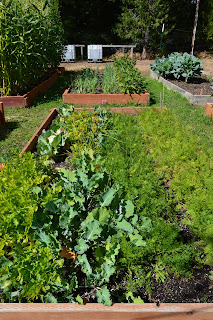
Now is the time to plan your spring and summer gardens. Begin by browsing through your favorite seed catalog and select the varieties you want to grow. It is important to source your seeds from a local supplier to ensure the seeds are perfect for your particular climate and have resistance to disease in your area. Here in the Willamette Valley of Oregon, I have the best results with seeds from Territorial Seed Company . Next, decide on the number of plants of each variety. Then sketch the layout of your garden including the placement of the plants. The following table details the spacing requirements for some of the most common vegetable varieties. Planting Guidelines Variety Distance Rows (Inches) Distance Plants (Inches) Quantity per Person Broccoli 24 12 – 18 5 plants Brussel’s Sprouts 24 12 – 24 5 plants Carrots 12 1 – 3 10’ ...