Posts

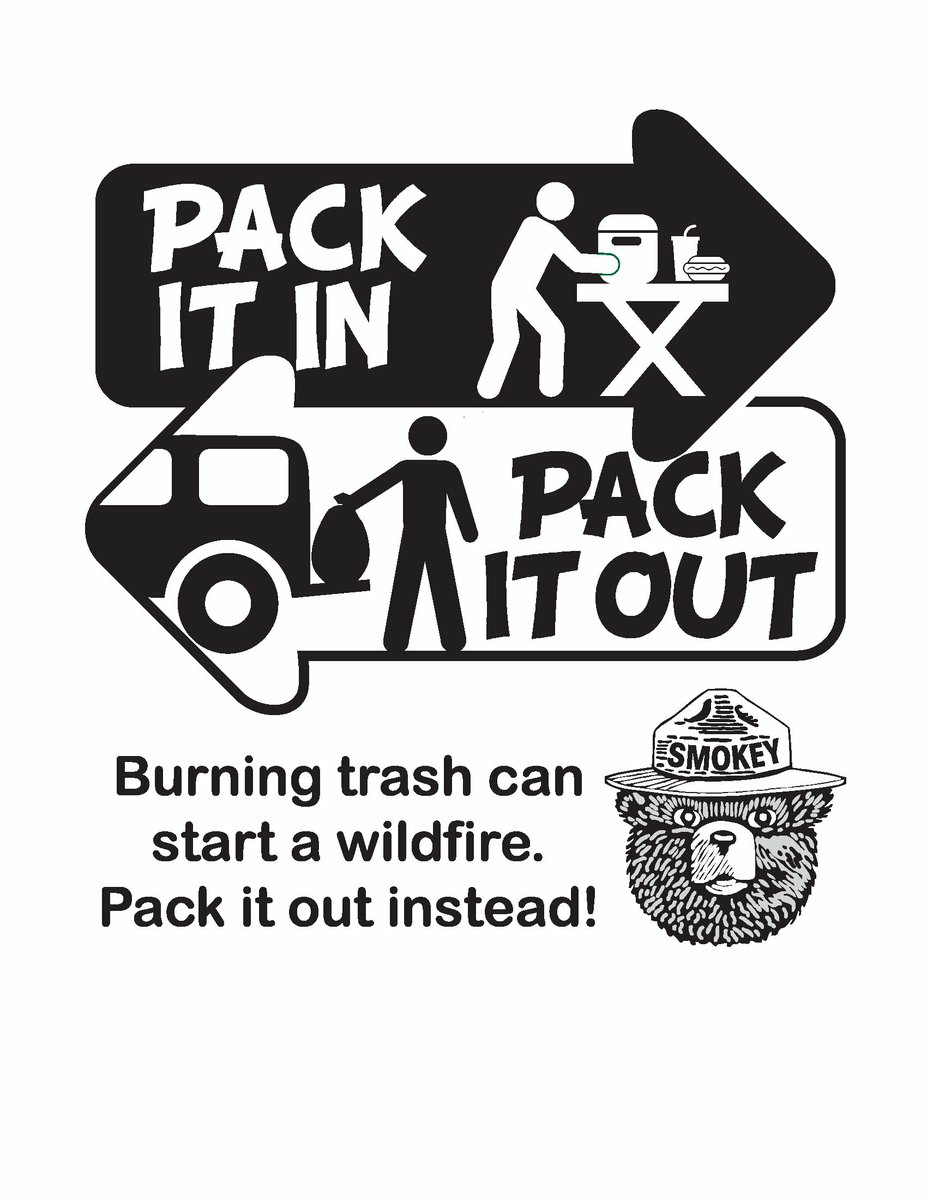
Proper Disposal of Waste Keeps Our Wildlands Clean and Safe

Image

Eco-Challenge Daily Action

Part of the Eco-Challenge to refuse single-use plastics is to keep your community clean. Take the daily challenge to  pick up 10 piece(s) of litter each day while following the CDC’s current guidelines for prevention of disease transfer. "The man who removes a mountain begins by carrying away small stones."  Chinese Proverb 

Plastic Free Eco-Challenge 2020

Image
Single-use plastics pollute the environmental and harm wildlife. Join the movement to refuse single-use plastics during the month of July and into the future. The Plastic Free Eco-Challenge inspires and encourages individual actions toward reducing single-use plastics. The Eco-Challenge consists of categories that contain actions you complete to reduce the usage of single-use plastic, which earns you points in the Eco-Challenge. The idea is to inspire competition while improving the health of the environment and the well-beginning of the individual. I invite you to join Team Viridescence!

Five Ways to Stop Junk Mail

Image
Direct mailings, commonly known as junk mail, waste valuable forest resources and creates unnecessary carbon emissions because it all ends up as waste whether you recycle it or toss it in the trash. Stopping the flow of junk mail is good for the environment because it reduces the timber extraction, reduces energy use during production, distribution and recycling, and reduces the amount of waste in landfills. It is easy to stop receiving direct mailings and their good reasons to do so. Production of junk mail = greenhouse gas emissions as 3.7 million cars [ 1 ] Production of junk mail = 1.5 trees / year / household [ 2 ] Amount received = 848 pieces of junk mail / year / household [ 3 ] Consumers’ cost to dispose junk mail = $370 million / year / person [ 4 ] Paper waster = 69 million tons / year [ 5 ] REDUCE JUNK MAIL Here are five easy ways to stop receiving direct mailing (A.K.A. junk mail). Write the company a letter asking that your name be removed from the...

Companion Planting – An Easier Way to Garden

Image
If you want a natural way to maximize your garden space, control pests, increase pollinators, grow healthier plants, and reap bigger harvests then companion planting is your answer. What is companion planting? Companion planting is planting certain flowers and vegetables in combination, so as to attract good insects and repel pests. So, this year when you’re planning your garden , consider companion planting. As you can see in the chart below, some plants do not get along and should not be planted together. Happy Gardening! COMPANION PLANTING CHART Plant Good Companion Bad Companion Asparagus Tomato, parsley, basil Beans, bush Potato, celery, cucumber, corn, strawberry, savory, carrots, cosmos, daisies Onion, fennel, sage Beans, pole Corn, savory, radish, tomato, cosmos Onion, beet, garlic, chives, sage Blackberries Dill, carrot Broccoli Celery, rosemary, dill Oregano,...
Earth Day 2020

Image
It's Earth Day! Here are some ways you can improve the health of our planet.  1. Replace disposable plastic products with  durable and reusable  products 2. Influence Environmental Policy -  Write Your Representative 3. Reduce your  carbon footprint 4. Learn about your local  watershed 5. Reduce  paper waste 6. Learn about  invasive species 7.  Upcycle 8. Conserve Water by… Only washing full loads of laundry Do not leave the water running…Instead… Wash produce in a bowl of water Defrost food in the refrigerator Keep a pitcher of drinking water in refrigerator Turn off water when brushing your teeth Take shorter showers Turn off water when washing your hair Retrofit showerheads, faucets, and aerators with WaterSense© Replace old toilets – consider a dual-flush toilet 9. Reduce Air Pollution by… Limit driving – carpool, public transportation, walking, and biking Take few trips – combine errands Keep automobile maintained and regular...

Five Ways to Reduce Water Pollution

Image
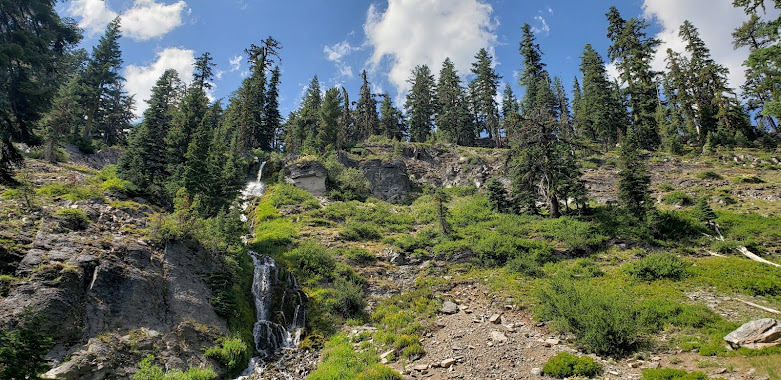
Water quality and marine life biodiversity are under attack from toxins that enter our watersheds. A watershed is an area of land that transports rain and snowmelt to streams and rivers and eventually to reservoirs, bays, and oceans. Household cleaners, garden herbicides and pesticides, plant and lawn fertilizers, detergents, vehicle oils, garbage, and animal feces are toxins that contribute to water pollution. These pollutants wash away with the rain and snowmelt, end up in our streams, rivers, bays, and oceans, and destroys habitat, creates dead-zones, and kills wildlife. Salt Creek Falls, Willamette National Forest, Oregon - 2020 Amy Bradley Here are five simple steps you can take to reduce water pollution. 1. Replace impermeable surfaces with permeable surfaces.  Solid surfaces, such as asphalt and concrete driveways and sidewalks are impermeable surfaces that do not let water penetrate their surface. Instead, water runs over impermeable surfaces collect...